

The Role of Technology in Interior Design
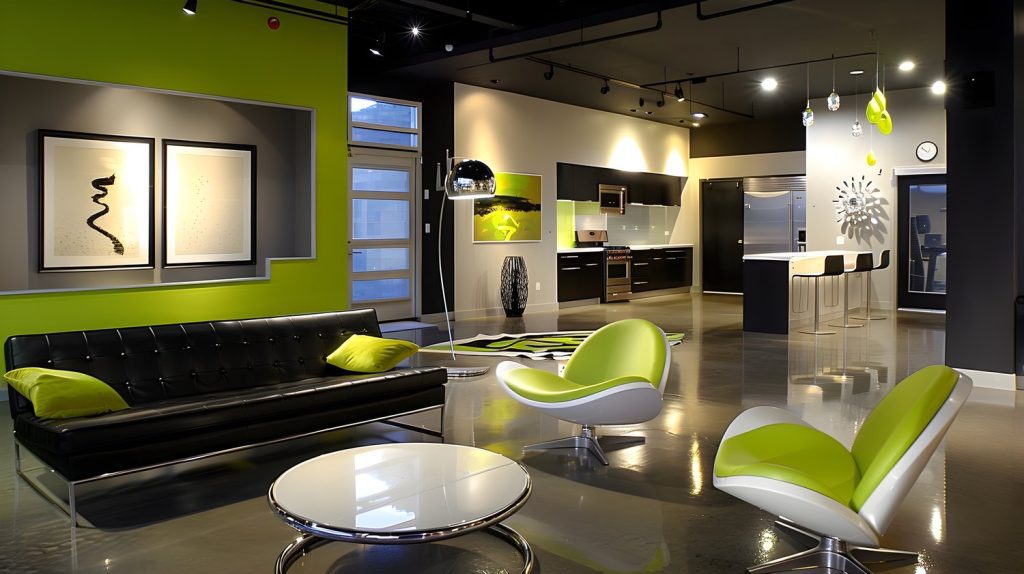
The way we live is changing, thanks largely to advancements in technology. The rise of smart home technology has revolutionized not only how we interact with our environments but also how these environments are created. Interior design is no longer just about aesthetics; it’s about integrating functionality that aligns with our digital lifestyles. As we explore the fascinating integration of technology in interior design, we uncover how designers are increasingly incorporating smart technology into the home, making everyday tasks simpler and enhancing the overall quality of life. Whether it’s managing lighting, climate, or security systems from a smartphone or employing more sophisticated tech like voice-activated assistants, the options are expanding. The concept of a tech-integrated interior is not just about adding electronic gadgets into the home but embedding technology that enhances the functionality and aesthetics of the living spaces. This article delves into how technology is seamlessly woven into the fabric of modern home design, ensuring that the technology is not only functional but also complements the visual appeal of the space. You can see some of our work here. These examples highlight the limitless possibilities of technology in interior design. Smart Home Integration: The Future of Living Spaces The integration of smart home technology in interior design is rapidly becoming a standard rather than an exception. From automated blinds that adjust according to the time of day to sophisticated heating systems that learn your schedule to optimize energy use, the technology makes living spaces not only more comfortable but also more energy-efficient. Julie Ann Witt, the visionary behind Julian Design., emphasizes the need for expert involvement, stating, “We know that there are experts in technology and we make sure they are involved at the right time during the design process, especially when walls are opened up.” This strategic inclusion of technology experts is crucial for the seamless integration of systems like lighting, blinds, and heating, all managed via a smart device. Such integrations ensure that the technological enhancements work in harmony with the architectural elements and interior design plans. For instance, the lighting systems designed for Julian Office not only provide optimal illumination but also contribute to the space’s overall aesthetic and functional design. With developments in smart home technology, homeowners can now customize their living environments to an unprecedented degree. The ability to control various home systems through a single device offers a level of convenience and efficiency that was hard to imagine just a few years ago. These advancements are not just about adding value to the property; they are about enhancing the quality of day-to-day living. Designing with Smart Appliances The role of smart appliances in modern interior design extends beyond mere functionality; they are integral to the aesthetic and operational efficiency of a home. Choosing the right appliances is critical, as they must align with both the design vision and the technological needs of the homeowner. Witt, owner and principal designed of Julian Design, says, “Appliances are often the first thing we pick out in a kitchen design. We work with key account managers who help clients understand what’s available and ensure they get the right appliances for their needs.” Modern appliances are equipped with features that cater to a high-tech lifestyle, adaptable to the user’s preferences and capable of being controlled remotely. This integration of technology into everyday appliances enhances the culinary experience and makes kitchen management simpler. For example, a smart refrigerator not just keeps food fresh but also helps with grocery shopping by reminding you what is running low. The selection featured on Julian Inc.’s kitchen designs demonstrates how seamlessly technology can be integrated into the kitchen space without disrupting the interior design’s visual flow. These designs are tailored to fit the unique style and functional demands of each homeowner, proving that practicality and aesthetic appeal can go hand in hand with advanced technology. Top Facts About Smart Home Design When it comes to modern home design, smart technology is changing everything. Here are some key points to consider: Smart homes let you control lighting, blinds, and heat from your phone. These features need careful planning during the design process. Integrating technology early is crucial. Experts should get involved when walls are opened up for wiring. Appliances often come first in kitchen design. Key account managers help clients pick the right ones. Find the right people for each job to ensure everything runs smoothly. Timing is everything in smart home design. Some clients take their kitchen very seriously. We offer suggestions but let them make final choices. Technology is making a big impact on interior design. Modern homes need smart solutions for everyday living. For more information on smart home design and technology integration, visit our Julian Office or explore related projects like Kelley Home. Collaboration with Technology Experts In the realm of modern interior design, collaborating with technology experts is crucial. This partnership ensures that all tech integrations, from lighting to heating systems, are seamlessly incorporated into the design. Early involvement helps streamline the process, especially during critical stages like wall openings. “Technology integration is becoming a significant part of modern interior design. Clients want everything from their lighting to their heating to be controlled via their phones. This requires careful planning and collaboration with technology experts,” notes Julie Ann. By collaborating early, designers can prevent costly revisions and ensure that every tech element aligns with the overall aesthetic vision. Take a sophisticated project like Evergreen Court. Integrating advanced tech solutions demanded precision and teamwork. These collaborations are pivotal for projects that aim to seamlessly blend technology and design. When designers and tech experts work in tandem, clients receive a harmonious blend of functionality and beauty in their homes. The Impact of Technology on Interior Design Aesthetics Technology isn’t just about functionality; it also influences the aesthetics of interior design. Modern tech-enhanced decor and furniture pieces are redefining how spaces look and feel. Sleek, minimalist designs are now synonymous with advanced technology, creating interiors that are both stylish and functional. Consider the living room setups that now feature hidden