

Exploring the Future of Interior Design Trends With Julian Design

Interior design is always changing, and at Julian Design Inc, we love to keep up with the latest trends and techniques. Our approach mixes modern trends with timeless elegance. In this interview, our experts talk about the latest in interior design, our creative process, and what we see for the future of interiors. From the return of color and texture to the use of big patterns and creating emotional connections through design, we offer a wealth of knowledge. This interview dives into our creative process and design philosophies. Join us as we dive into the world of interior design, uncovering our design strategies and the trends shaping modern living spaces. Whether you’re a design enthusiast or a pro seeking inspiration, this interview has some awesome insights. The Resurgence of Color and Texture Recent interior design trends have shifted from stark, monochrome minimalism to a bold embrace of color and texture. We’ve been at the forefront of this trend, creating visually captivating and engaging spaces. Julie Ann Witt, Owner and Principal Designer at Julian Design Inc, explains: “Pattern and color are making a comeback, with layers of wallpaper, texture, and pattern on pattern. There was a sterility with no color, grays, but now things are starting to yellow a little bit, so brown tones and earth tones are coming back.” This return to warmth and vibrancy is evident in many of our projects, where a mix of colors and textures brings spaces to life. Integrating various layers, patterns, and colors is not just about aesthetics; it’s about creating spaces that resonate with the occupants. The Bluebell Trail Gallery showcases some of our most vibrant projects, where the careful selection of colors and textures creates a harmonious and inviting atmosphere. By embracing these elements, we can craft environments that are both visually stimulating and emotionally comforting. Embracing Large Scales in Design Elements Another big trend lately is using large-scale patterns in fabrics and wall coverings. This moves away from the small, intricate prints of the past, opting instead for bold, expansive designs that make a statement. The impact of scale on the perception of space and aesthetics is profound, as it can transform the look and feel of a room entirely. “Scale is a significant trend, whether it’s fabrics or wall coverings. There’s a move towards larger scales, not all tiny prints anymore, with repeats that could be five feet,” according to Witt. This shift towards larger scales allows for a more dramatic and impactful design, creating focal points within a space that draw the eye and add depth. Our Palm Springs project provides excellent examples of this trend in action. These designs use large-scale patterns to create a sense of grandeur and sophistication, making each space feel both expansive and intimate. By embracing large scales, we can elevate the aesthetic appeal of a room, making it memorable and unique. Our approach to incorporating large scales into our projects highlights our commitment to pushing the boundaries of traditional design. By exploring new dimensions and perspectives, we create spaces that are not only beautiful but also thought-provoking, challenging the conventional norms of interior design. Creating Emotional Connections Through Design We emphasize the importance of emotional design, focusing on creating spaces that evoke specific feelings. Julie Ann Witt explains, “There’s a sense of keeping her funkiness and but then no one just goes buys a church without buying it for the feeling, and I think if somebody told us that we had to do a perfect 18th century look we probably couldn’t execute it because we always seem to color outside the lines, and we have our. been a feeling when you walk into space as we do. It feels a certain way.” This approach is evident in our projects, where every element contributes to the overall atmosphere. The Living Room images showcase spaces designed to evoke specific feelings, from comfort and warmth to excitement and inspiration. By considering how a space will make its occupants feel, we create environments that are both functional and emotionally resonant. Integrating emotional elements into design requires a deep understanding of the client’s needs and desires. We excel in this area, taking the time to understand our clients’ personalities and preferences. This allows us to create spaces that not only look stunning but also feel deeply personal and meaningful. Whether it’s through the use of color, texture, or scale, our designs always aim to touch the heart and soul of those who experience them. Sustainability and Longevity in Materials We prioritize sustainability, choosing durable, high-quality materials that last and age beautifully. “Our sustainability comes with designing for longevity and flexibility. We don’t do disposable products. We sell good quality, serviceable products and implement designs that stand the test of time,” according to Witt. Most materials we use are natural and renewable. We often specify authentic materials like wool and silk, known for their durability and timeless appeal. The Maria Snyder project exemplifies the use of sustainable materials that complement the design while ensuring durability. This approach not only reduces waste but also guarantees that the designs remain functional and beautiful for years to come. By choosing long-lasting materials, we ensure that our projects offer both aesthetic and environmental benefits. Innovations in Technology Integration We integrate technology into our projects to meet modern demands, ensuring that functionality and aesthetics go hand in hand. This integration enhances the user experience without compromising on design. Julie Ann Witt mentions, “We aren’t tech experts, but we ensure that the right people are involved at the right time, especially when walls are open. Appliances are often the first thing we pick out in a kitchen design, not the last.” This approach is evident in our Kitchen images, where modern appliances blend seamlessly with the overall design. Whether it’s smart lighting systems, state-of-the-art appliances, or integrated home automation solutions, we ensure that technology enhances the home’s functionality. We work closely with tech experts to ensure that every aspect of the home’s design supports the technology, creating a cohesive and efficient living space.
How To Incorporate Art into Your Interior Design
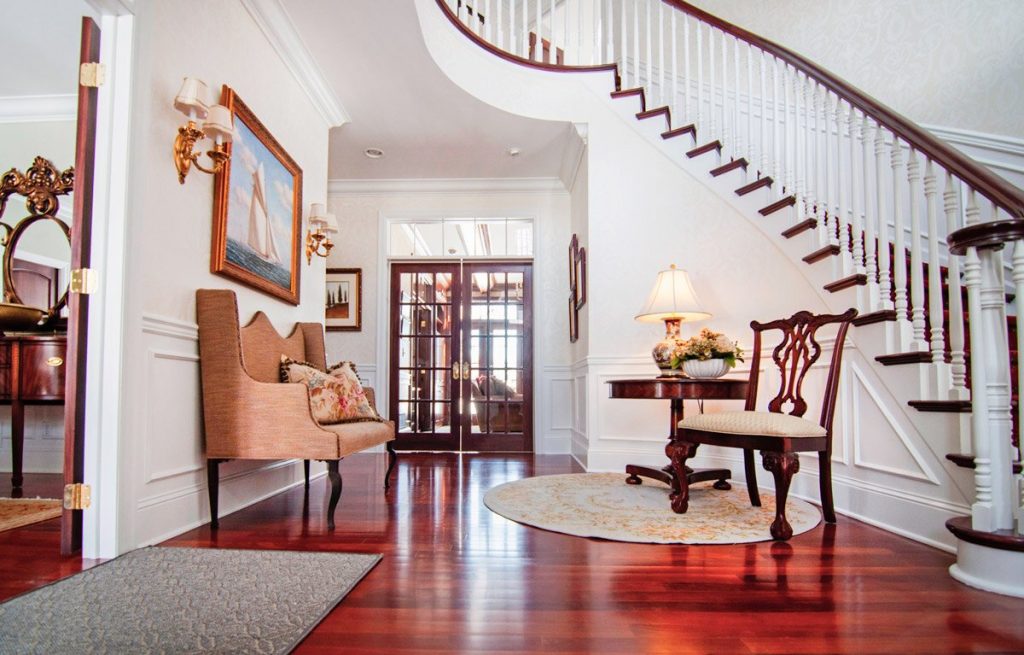
Imagine walking into a room where every piece of artwork tells a story, each one complementing the interior design seamlessly. How does it make you feel? Art in interior design isn’t just an afterthought; it’s a fundamental element that can transform a space from mundane to mesmerizing. Whether it’s a cherished painting inherited from a family member or a new piece that resonates with your aesthetic, incorporating art into your home decor can elevate your environment to new heights. This article will explore practical tips and strategies to integrate art pieces into your interiors effectively. From understanding the importance of art in setting the tone for your rooms to blending inherited pieces into modern decor, we’ve got you covered. Finding the Right Art for Your Space Choosing the right art for your space is more than just picking something that looks nice; it’s about finding pieces that resonate with your personal style and the overall design of your home. Consider the colors, themes, and emotions you want each room to convey. For instance, a vibrant painting can bring energy to a living room, while a serene landscape might be perfect for a bedroom. Julie Ann Witt, Owner, Principal Designer, emphasizes, “Art is often the foundation for the design process, from countertops to paint colors. It sets the mood and tone for the entire space.” This approach helps ensure that your art choices aren’t just beautiful but also meaningful. For more inspiration, visit our Bluebell Trail Gallery. Here, you’ll find examples of art that can invigorate various spaces, making the selection process both exciting and thoughtful. Using Art as a Focal Point Art can serve as the focal point of a room, drawing the eyes and setting the tone for the surrounding decor. Strategically place a large, striking piece above a fireplace or sofa to create a visual anchor. Smaller pieces can be clustered together to form a gallery wall, offering a dynamic and engaging focal area. Witt states, “Art becomes a focal point in design, helping to define a room’s personality and style. It’s not just about decoration; it’s about making the space feel like it belongs to the homeowner.” This principle is essential to creating a cohesive design that speaks to the inhabitants’ personality. Check out our Living Room Images for examples of focal points in design. These can provide you with ideas on how to use art effectively in your living spaces. Blending Art with Inherited Pieces Many clients inherit art pieces that hold sentimental value but may not initially fit their modern decor. The key is to seamlessly blend these pieces into your design by using them as a starting point. Select complementary colors, patterns, and textures to ensure coherence. According to Witt, “We often work with clients who have inherited pieces, like paintings or sculptures, that might not initially seem to fit with their current decor. The challenge is to find a way to blend these pieces harmoniously, often using them as a starting point for the rest of the room’s design.” Explore how we incorporated inherited pieces in our Fox Street Project. This project showcases how inherited art can seamlessly blend with contemporary interior design. Blending Art with Inherited Pieces Harmonizing Inherited Art with Modern Decor Many clients inherit art pieces that hold sentimental value but may not initially fit their modern decor. The key is to seamlessly blend these pieces into your design by using them as a starting point. Select complementary colors, patterns, and textures to ensure coherence. Finding that balance between the old and the new is crucial. “We often work with clients who have inherited pieces, like paintings or sculptures, that might not initially seem to fit with their current decor. The challenge is to find a way to blend these pieces harmoniously, often using them as a starting point for the rest of the room’s design,” said Julie Ann Witt, Owner, Principal Designer. Incorporating these classic items into a contemporary setting can create a unique juxtaposition. Using the inherited pieces as a focal point, you can draw from their colors and styles to inspire the rest of your design. Check out our Fox Street Project for examples of how we’ve seamlessly blended old and new. Color Coordination with Art Achieving Color Harmony with Art Pieces Using the colors in your art to influence the palette of your room can tie the entire space together. Pull out accent colors from the artwork to use in fabrics, rugs, and accessories. This method not only ties the room together but also highlights the art itself. It ensures a cohesive and visually appealing space. “We base things on aesthetic value, like even the church lady right now she had a series of three different paintings that she inherited from her uncle. And so they become the basis she selected them,” said Witt. By using art as a foundation, you give your room a base of colors to build upon. Matching your decor to your art can be as easy as selecting a color from the piece and using it as an accent throughout the room. For more inspiration on achieving color harmony, check out our Kitchen Designs. You’ll find practical tips on incorporating art into your color scheme. Mixing Different Art Styles Combining Various Art Styles for a Unique Look Don’t be afraid to mix different styles of art. Combining contemporary pieces with classic ones can create a layered, interesting space that feels curated and unique. The key is to find a unifying element, like a common color or theme, to tie everything together. “Our church lady inherited these fine originals from her uncle very traditional. Oh, cool. She’s more mid-century modern. So we came up with this concept, architecturally to color transition with that wallpaper that does that,” Witt noted. This approach ensures a cohesive yet eclectic style. Blending different styles creates a dynamic and engaging environment. Look at our Projects Overview for examples of how we’ve successfully mixed various art styles in our designs. This way, you can see the