

Key Interior Designer Skills You Should Look For
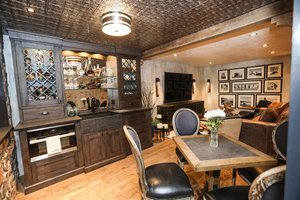
Creating a well-designed space goes beyond choosing colors and furniture. The real magic happens when a designer blends creativity, technical expertise, and problem-solving to shape environments that feel both beautiful and functional. At the heart of every successful project are the interior designer skills that turn ideas into reality. Whether you’re renovating a single room or designing an entire home, working with a designer who possesses the right skill set ensures a seamless process and results that exceed expectations. Interior designer skills range from understanding architectural elements to mastering space planning and material selection. But it’s not just about technical knowledge—great designers are also exceptional listeners, communicators, and problem-solvers. They interpret a client’s vision, anticipate challenges, and craft solutions that balance aesthetics with practicality. This combination of skills ensures that every detail, from lighting choices to layout efficiency, works in harmony to create a cohesive and inviting space. Whether you’re embarking on a new build or refreshing an existing home, the expertise of a skilled designer makes all the difference. The ability to merge form and function, adapt to unique challenges, and bring a personalized touch to each project is what sets the best apart. By understanding what skills matter most, you can make an informed decision when selecting a designer—one who will bring creativity, precision, and expertise to your space. Technical Knowledge: The Foundation of Quality Design Technical skills form the backbone of any successful interior design project. Understanding architectural principles, space planning, and material knowledge are crucial components of interior designer skills. These skills ensure that a design is not only visually appealing but also functional and feasible. They allow designers to create spaces that work well for their intended purpose, whether it’s a cozy living room or a bustling office. For example, a designer with strong technical skills can solve complex design challenges, such as maximizing space in a small apartment or integrating sustainable materials into a project. This expertise is evident in projects like the Julian Atrium, where technical skills were crucial in creating a space that is both beautiful and practical. Such projects demonstrate how technical knowledge can transform a client’s vision into reality. While technical skills are essential, they are most effective when complemented by creativity. A designer who can blend technical expertise with creative vision can produce truly exceptional results. This combination allows for innovative solutions that meet both aesthetic and functional needs, ensuring a space that delights and serves its purpose. Creativity: Breathing Life into Spaces Creativity is the spark that turns a good design into a great one. It is the ability to see beyond the ordinary and create spaces that are not only functional but also aesthetically pleasing. Interior design expertise involves blending colors, textures, and styles to create a unique ambiance that reflects the client’s personality and needs. Consider projects like our Bluebell Trail Project, where creativity played a pivotal role in achieving stunning results. The use of bold colors and innovative layouts transformed the space into a vibrant and inviting environment. Such examples highlight how creativity can elevate a design, making it memorable and impactful. Ultimately, creativity enhances the client experience and satisfaction. A creative designer can take a client’s ideas and expand upon them, offering solutions that the client may not have considered. This collaboration leads to a final product that exceeds expectations, creating a space that is both beautiful and functional. Essential Facts About Interior Designer Skills Interior design can change how we feel in a space. Choosing the right interior designer is key to creating an environment that feels inviting and functional. This list highlights important skills that every interior designer should have. Understanding these skills helps clients make informed choices when hiring a designer. Technical Knowledge: A strong grasp of architectural principles and space planning allows designers to create functional layouts. This skill is the basis for quality work. Creativity: Designers use creativity to transform basic spaces into beautiful environments. The ability to mix colors and styles is crucial for a unique ambiance. Communication: Clear communication between the designer and clients helps ensure that ideas align. This skill fosters collaboration and understanding throughout the project. Problem-Solving: Designers must think quickly to address challenges that arise during a project. Good problem-solving skills prevent delays and maintain quality. Project Management: Effective project management keeps timelines and budgets on track. This skill ensures that the design process runs smoothly from start to finish. Customer Service: Excellent customer service builds trust and long-lasting relationships with clients. Being responsive and attentive enhances overall satisfaction. Communication: Bridging Ideas and Reality Effective communication is a cornerstone of successful interior design projects. It allows designers to fully understand client needs and translate them into tangible design solutions. Without clear communication, even the most skilled designers may struggle to meet client expectations. This is why strong communication skills are among the most critical interior designer skills to look for. Communication skills facilitate seamless collaboration not only with clients but also with contractors and suppliers. A designer who can articulate ideas clearly and listen attentively ensures that everyone involved in the project is on the same page. This collaboration is crucial for maintaining project momentum and ensuring that all parties work towards a common goal. Moreover, communication plays a vital role in managing expectations and ensuring project alignment. By keeping clients informed and involved throughout the process, designers can prevent misunderstandings and ensure that the final result aligns with the client’s vision. This proactive approach not only enhances client satisfaction but also builds trust, which is essential for long-term relationships. Problem-Solving: Navigating Challenges with Ease In the dynamic world of interior design, unforeseen challenges are inevitable. This is where problem-solving skills become invaluable. Designers with strong problem-solving abilities can navigate these challenges with ease, ensuring that projects stay on track without compromising quality. The ability to troubleshoot effectively is one of the essential interior designer skills that make a project successful. Quick thinking and adaptability are crucial when unexpected issues arise. Whether it’s a delay in material delivery or a sudden change in client