|
Key Takeaway:
Personal style in interior design comes through when you make thoughtful, consistent choices that reflect how you live. Color, furniture, and layout work together to shape a space that feels comfortable and authentic. When design aligns with your personal taste, your home feels intentional and genuinely welcoming. |
Expressing Personal Style in Interior Design
Personal style in interior design helps your home feel familiar the moment you walk in. The spaces you use every day should support your routines, preferences, and sense of comfort. When design choices reflect how you live, your home feels natural rather than styled for appearances alone.
Color palettes, textures, and materials influence how each space feels. Soft finishes can create calm, while contrast and pattern introduce energy and movement. When these elements are selected with intention, they work together to create interiors that feel personal and lasting.
Viewing design as a series of connected decisions keeps your home cohesive. Each choice builds on the next, allowing personality to show through without overwhelming the space.
Understanding Your Design Identity
Your design preferences often connect closely to your lifestyle. How you relax, entertain, and move through your home influences the types of spaces that feel right. Recognizing these patterns helps clarify what you truly need from your interiors.
Visual references and guided conversations can help turn preferences into clear direction. Noticing what consistently draws your attention makes it easier to select finishes and furnishings that feel cohesive throughout your home.
When you have a clear understanding of your design identity, unique interiors develop naturally. Rather than following trends, decisions feel grounded in personal taste, resulting in spaces that feel comfortable and true to you.
Bringing Personality to the Living Room
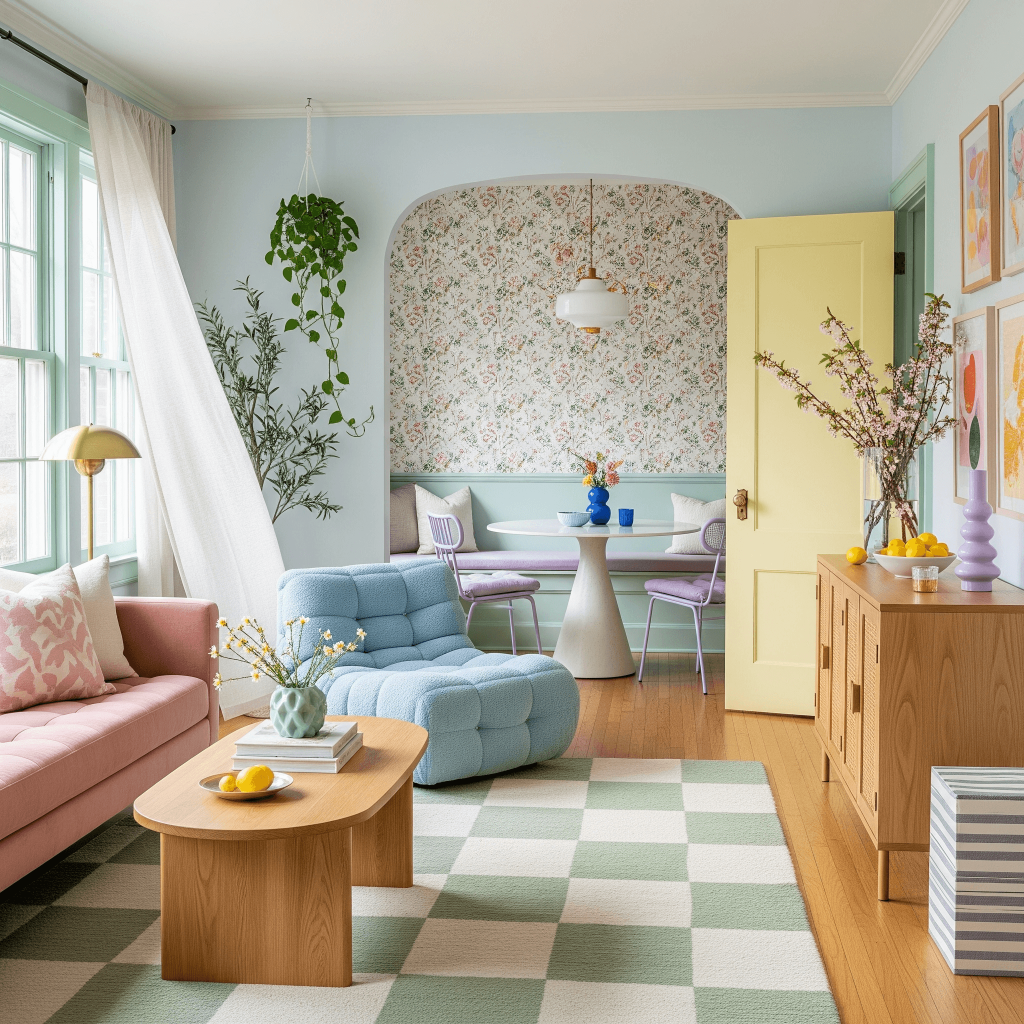
Living room design often sets the tone for the rest of your home. As a central gathering space, it reflects both function and personality. Furniture layout, scale, and materials all influence how welcoming and usable the space feels.
Layering textures, adjusting lighting, and incorporating artwork adds depth without clutter. These details help the room feel lived-in and balanced instead of overly structured.
Establishing a focal point gives the space direction. Whether subtle or bold, intentional choices allow your living room to reflect daily life while remaining visually cohesive.
|
Important Facts About Reflecting Personal Style in Interior Design:
Design Identity: Living Room Design: Color Psychology: Blending Styles: Art and Accessories: Furniture Selection: |
Color Psychology and Personal Expression
Color psychology plays an important role in personal style in interior design by shaping how you experience each space in your home. Color influences mood, energy, and comfort, making it a powerful tool when expressing your personality through design.
Warm tones such as reds, oranges, and soft neutrals often feel inviting and energizing, while cooler shades like blues and greens create a sense of calm. Neutral palettes provide flexibility and allow furniture, artwork, and textures to take focus. Experimenting with bold color choices in smaller applications can help you explore unique interiors without overwhelming your space.
When color is used thoughtfully, it strengthens home personality and creates consistency throughout your home. Coordinated palettes allow individual rooms to reflect your preferences while still feeling connected as a whole.
Mixing Styles with Confidence
Mixing design styles allows you to create unique interiors that reflect your personality and evolving taste. When done with intention, blended styles add depth and character without feeling disjointed. Combining contemporary pieces with vintage or collected elements often results in spaces that feel layered and personal.
Using contrast helps create balance as you blend styles throughout your home. Differences in color, texture, and form highlight the strengths of each aesthetic. A clean-lined sofa paired with a weathered wood table, for example, creates visual interest while still feeling grounded. Achieving harmony between styles helps your space feel cohesive rather than scattered.
Letting your preferences guide each choice keeps mixed styles feeling intentional. When selections reflect what resonates with you, the result feels comfortable, expressive, and naturally cohesive.
Art, Accessories, and Personal Touches
Art, accessories, and collected pieces help transform your home into a space that tells your story. These elements add personality and warmth, creating interiors that feel lived-in rather than designed all at once. Meaningful artwork or objects collected over time give your space depth and connection.
Scale and placement influence how art shapes a room. Larger pieces can anchor a space or serve as a focal point, while grouped artwork creates a more intimate feel. Thoughtful art placement allows each piece to complement the room without overwhelming it.
Accessories such as rugs, cushions, and decorative objects add finishing layers. When chosen with intention, they reinforce your personal style and help every room feel complete and comfortable.
Furniture That Speaks to You
Furniture plays a central role in shaping both function and visual style in your home. Statement or custom pieces often reflect personality most clearly, while everyday furnishings support comfort and routine. Balancing appearance with usability ensures spaces work as well as they look.
When selecting furniture, consider how each piece fits your lifestyle. Clean-lined designs suit more minimal preferences, while bold forms or finishes support expressive interiors. Choosing furniture that aligns with your needs helps your home feel consistent and personal.
Each piece should contribute to how you use your space daily. Thoughtful selections improve flow, comfort, and long-term enjoyment, creating interiors that feel both intentional and lived-in.
Personal Style in Interior Design FAQs
How do I find my personal style in interior design?
How can I reflect my personality without making my home feel cluttered?
Does every room need to reflect a different part of my personality?
How do I balance function and personality in living room design?
Can mixing too many styles make my home feel chaotic?
Reflecting Your Essence in Every Corner
Creating a home that feels right starts with understanding your personal style in interior design. Every room in your home has the opportunity to reflect how you live and what matters to you. When design choices align with your preferences, your space begins to feel familiar, comfortable, and intentional.
Color, furniture, and materials all shape that experience. Certain hues may bring calm, while others introduce energy or contrast. Furniture choices speak just as clearly, whether you lean toward collected vintage pieces or clean, modern forms. When selections reflect your lifestyle and values, your home feels shaped around you rather than styled for effect.
Blending styles can further strengthen home personality when handled with intention. Rustic textures paired with refined finishes or industrial details can create unique interiors that feel layered and lived-in. Artwork and accessories add another personal layer, turning everyday spaces into places that hold meaning.
When everything works together, each room feels connected without feeling repetitive. Your home becomes a place that supports your day-to-day life while expressing who you are in ways that feel natural and lasting.
Crafting a Space That’s Authentically You
Your home should support how you live now while leaving room to grow. Clarifying your personal style in interior design helps guide decisions so each space feels cohesive and thoughtfully planned. Whether you’re refining an existing home or starting fresh, a clear vision makes the process more rewarding.
Many clients begin by gathering inspiration—images, materials, and spaces that consistently resonate. This process helps reveal patterns in what you’re drawn to and provides direction when it’s time to make design decisions.
When you’re ready to translate that vision into a cohesive plan, guidance can make the difference. Working with a professional helps ensure your space feels balanced, functional, and aligned with your style from start to finish.
If you’re ready to take the next step, connect with our team through our interior design consultation. We help bring clarity to the process and create spaces that feel personal, intentional, and truly yours.
Further Reading |