

Best Interior Design Magazines and Blogs
Interior design holds the power to transform any space into a harmonious sanctuary. Staying updated on trends is crucial for those who wish to keep their homes stylish and functional. The best interior design magazines and other publications offer a wealth of inspiration, guiding readers through the latest styles and innovations. By exploring these resources, you can discover new ideas that cater to your unique preferences and needs. Interior design publications are more than just glossy pages; they are gateways to creativity. They provide insights into color schemes, furniture arrangements, and decorative elements that can elevate your living environment. Whether you are a seasoned designer or a homeowner seeking inspiration, these magazines are invaluable. Our journey will introduce you to a curated selection of the best best interior design magazines, top design books, and must-read home decor blogs. Each resource offers something unique, ensuring you find the perfect match for your style. Explore our story to understand how these publications can inspire your space. Explore Iconic Interior Design Magazines The world of print offers a treasure trove of inspiration through iconic interior design magazines. These publications have been shaping the industry for years, offering readers a glimpse into the latest trends and timeless styles. Among the best interior design magazines, Architectural Digest stands out with its focus on luxury and elegance. Its pages are filled with stunning photography and expert insights that cater to a sophisticated aesthetic. Elle Decor is another revered name in the industry, known for its eclectic mix of styles and practical advice. This magazine appeals to those who appreciate a blend of modern and classic design elements. Readers can find inspiration for every room in their home, from kitchens to living spaces. By exploring these magazines, you can discover ideas that resonate with your personal taste. These publications not only showcase beautiful interiors but also provide valuable tips and tricks for achieving similar looks in your own home. They serve as a bridge between professional design and personal creativity. Dive into our blog to explore more about how these magazines can enhance your design journey. Uncover Digital Treasures: Must-Read Home Decor Blogs In the digital age, must-read home decor blogs offer a wealth of inspiration and practical advice. These platforms provide a diverse range of styles, ensuring there is something for everyone. Blogs are accessible and frequently updated, making them an excellent resource for staying current with design trends. Some standout blogs blend professional expertise with a personal touch, offering readers a unique perspective on home decor. They often include real-life examples and DIY projects that inspire creativity. These blogs are perfect for those who enjoy hands-on projects and want to personalize their space. By exploring these digital treasures, you can find inspiration for every corner of your home. Whether you are looking for tips on color palettes or furniture arrangements, these blogs have you covered. Discover how our services can help you incorporate these ideas into your own home design. Important Facts About Interior Design Publications Interior design transforms spaces. It enhances how we experience our homes. Staying updated with trends can inspire creativity and comfort in our surroundings. Here are some key facts about the best interior design magazines, blogs, and books that can spark your imagination. Many of the best interior design magazines offer a blend of style, practicality, and expert advice. Popular titles like Architectural Digest and Elle Decor set trends and showcase innovative designs. Home decor blogs provide real-time inspiration and often feature projects from everyday people. Top design books serve as both visual treats and practical guides, perfect for coffee tables. Niche publications focus on specific styles, such as minimalist or bohemian, catering to unique tastes. Staying informed about emerging trends is vital, as this knowledge helps incorporate fresh ideas into your space. The Top Design Books for Your Coffee Table When it comes to elevating your living space, the best interior design magazines and top design books are essential companions. These resources are not only visually stunning but also packed with insights that can transform your home into a masterpiece. Imagine flipping through pages filled with vibrant images and expert advice, all while sipping your morning coffee. These books serve as both conversational pieces and practical guides, helping you cultivate a refined aesthetic that reflects your personal style. One standout example is The Kinfolk Home, which offers a glimpse into the homes of creative individuals worldwide. This book emphasizes the importance of simplicity and intentional living, making it a perfect addition to any coffee table. Another must-have is Elements of Style by Erin Gates, which combines personal anecdotes with practical design tips. These books are more than just decorative items; they are gateways to inspiration and creativity. Incorporating these top design books into your home not only enhances your decor but also enriches your understanding of design principles. Whether you’re drawn to modern minimalism or classic elegance, there’s a book out there that aligns with your vision. As you explore these resources, you’ll discover new ideas and perspectives that can help you create a space that truly feels like home. Niche Publications for Specific Styles For those with a keen interest in specific design aesthetics, niche interior design publications offer a treasure trove of inspiration. Whether your heart beats for minimalist, bohemian, or rustic styles, these specialized magazines and books provide tailored insights that cater to your unique preferences. By delving into these resources, you can explore the depths of your chosen style and find innovative ways to incorporate it into your home. Magazines like Dwell focus on modern and minimalist designs, offering a clean and uncluttered approach to living spaces. On the other hand, Anthology magazine celebrates eclectic and bohemian styles, showcasing vibrant and creative interiors. These publications allow you to immerse yourself in the world of your preferred aesthetic, providing endless inspiration and ideas. By exploring niche publications, you can refine your design sensibilities and create a home that truly reflects your personality. These resources offer a deeper understanding of specific styles, enabling you to make informed decisions when decorating your space. Whether you’re
The Power of Trade Accounts for Interior Designers

Interior design is about more than creating beautiful spaces—it’s about sourcing the right pieces, selecting quality materials, and delivering a vision that feels uniquely tailored. That’s where trade accounts for interior designers come in. These behind-the-scenes tools provide access to exclusive vendor lines, specialized pricing, and a world of furnishings and materials that aren’t available to the public. For both designers and homeowners, the impact of these accounts is significant—and often the difference between a good result and an extraordinary one. Trade accounts for interior designers open up opportunities that go far beyond what traditional retailers can offer. Whether it’s a custom lighting fixture, a one-of-a-kind textile, or a timeless piece of furniture only available through a designer partnership, these accounts help turn standard projects into personalized, elevated experiences. They also allow designers to access designer-only furniture discounts, ensuring clients get more value without compromising quality or creativity. For anyone involved in the interior design trade—whether you’re a homeowner working with a designer or a professional shaping spaces every day—understanding the value of trade accounts is key. They aren’t just nice to have; they’re essential for sourcing distinctive elements, staying competitive, and delivering results that reflect thoughtful design and unmatched access. From exclusive vendor access to insights into emerging trends, trade relationships empower designers to build something truly special. Understanding the Role of Trade Accounts in Interior Design At their core, trade accounts are partnerships between interior designers and trusted vendors. These accounts grant access to a curated world of products, often with pricing structures and selections unavailable to the general public. In the interior design trade, this access is incredibly important—it’s how designers bring in distinctive materials, hard-to-find pieces, and quality craftsmanship that reflect their client’s style while elevating the entire project. With trade accounts, designers can source high-end furnishings, custom textiles, specialty lighting, and artisan-crafted finishes that you won’t see in showrooms. These pieces bring a custom feel to a home—and often come with shorter lead times and pricing advantages thanks to long-standing vendor relationships. It’s a streamlined way to access exclusive products while maintaining control over the budget and creative direction. Beyond the products themselves, trade accounts provide designers with access to evolving product lines, insights from vendor reps, and early looks at upcoming trends in the industry. Designers who stay connected to these accounts stay at the forefront of innovation, giving clients the benefit of forward-thinking solutions and timeless style. It’s not just about shopping—it’s about tapping into a network built on expertise, design excellence, and shared commitment to quality. See how these relationships shape standout spaces in the Julian Atrium. Exclusive Vendor Access: Why It Matters One of the most valuable aspects of trade accounts is the exclusive vendor access they provide. This means designers can source from collections that aren’t available to the public—furnishings and finishes that add depth, texture, and originality to every space. Whether it’s a luxury sofa from a boutique furniture maker or custom hardware crafted by a local artisan, these relationships bring variety and distinction to a designer’s toolkit. With this kind of access, projects aren’t limited by what’s trending in mass-market retail. Instead, designers can handpick materials and furnishings that reflect the client’s personality, lifestyle, and taste. Designer-only furniture discounts allow homeowners to invest in elevated design without going over budget—and the end result is a space that feels personal, refined, and built to last. These vendor relationships are more than transactional. They’re built on trust and collaboration, often leading to tailored recommendations, better service, and insight into what’s new and next in the world of design. By tapping into this curated ecosystem, designers can deliver high-quality results that are both functional and unforgettable. Designer-Only Furniture Discounts One of the biggest benefits of trade accounts for interior designers is access to exclusive pricing—better known as designer-only furniture discounts. These discounts aren’t just perks; they’re practical tools that let designers bring high-end pieces into a project while staying within budget. For clients, that means access to quality furnishings they wouldn’t typically find—or afford—through standard retail channels. Designer-only furniture discounts offer designers the freedom to source pieces that elevate a space without inflating the bottom line. It’s a win-win: clients enjoy a more luxurious result, and designers are able to stretch creative possibilities with a broader product range. These discounts make it easier to prioritize craftsmanship, durability, and style without making financial sacrifices. In a competitive market, this kind of exclusive pricing gives designers a clear edge. It enhances the value of their services while allowing them to deliver truly custom spaces. Whether it’s a statement chair, a bespoke coffee table, or a finely crafted cabinet, having access to exclusive vendor pricing helps designers create something original and lasting. It’s one more way trade accounts help designers go above and beyond. The Power of Trade Accounts: Key Facts Trade accounts for interior designers do more than simplify sourcing—they open doors to better materials, pricing, and partnerships. As a vital part of the interior design trade, these accounts play a huge role in creating spaces that feel thoughtful and elevated. Here are a few important facts that show just how impactful they can be: Trade accounts connect designers with trusted vendors, offering access to exclusive collections, specialty items, and custom finishes. They allow designers to source unique materials that elevate the look and feel of any space. Clients benefit from designer-only furniture discounts, helping them get more value without sacrificing style. Trade relationships often lead to better communication, faster turnaround times, and more personalized service from vendors. These accounts streamline project timelines and keep budgets in check—two things every client appreciates. While some may assume trade accounts are just for large firms, they’re accessible and beneficial for designers of all sizes—and their clients. Elevating Client Relationships Through Trade Accounts Trade accounts for interior designers do more than unlock product access—they help build stronger, more collaborative relationships with clients. By offering access to exclusive vendor pricing, curated collections, and designer-only resources, these accounts allow designers to
How an Award-Winning Interior Designers Can Help You

Hiring award-winning interior designers brings more than visual appeal to your home—it brings confidence in the outcome. These professionals are recognized for their creativity, precision, and ability to turn ideas into spaces that feel truly personal. As more homeowners seek elevated design, choosing a designer with industry recognition becomes a natural part of the decision-making process. Interior design awards help highlight the talent and dedication that go into every great project. Some of the most respected honors in the field include the ASID Awards, which recognize design excellence across residential and commercial projects, and the IIDA Interior Design Competition, known for celebrating innovation and originality. Interior Design Magazine’s Best of Year Awards is another standout, spotlighting top design talent across hundreds of categories each year. These awards serve as a benchmark of quality, offering reassurance to homeowners that they are working with professionals who lead in both vision and execution. Choosing award-winning interior designers means working with experts who have been recognized by their peers and the design community. These accolades reflect not only past success but also a continued commitment to pushing boundaries and crafting spaces that are both functional and beautiful. Understanding the role of awards in the design industry can help homeowners feel confident about who they hire—and the results they can expect. The Significance of Interior Design Awards Interior design awards represent more than prestige. They recognize problem-solving, creativity, and the ability to deliver exceptional results within real-world constraints. For homeowners, hiring a designer with award credentials adds an extra layer of trust. It means the designer’s work has been judged against industry standards and recognized as outstanding. Whether it’s a nod from the ASID for residential innovation or a feature in the Best of Year Awards for outstanding space planning, these honors offer insight into a designer’s strengths. Each award carries its own focus, from sustainability to material use, giving homeowners clues about what a designer values and where they excel. Working with a recognized designer can also bring fresh ideas to the table—ones that blend practicality with unexpected creativity. If you’re exploring ways to update your home, reviewing the portfolios of award-winning interior designers can be a great place to start. These projects often reflect the vision, craftsmanship, and attention to detail that set a designer apart. Seeing how past award-winning designs were executed can inspire new ideas and help shape your own direction with confidence. Reflecting Quality: How Awards Influence Design Choices Interior design awards often become a deciding factor for homeowners comparing designers. Beyond great first impressions, awards reinforce that a designer has delivered outstanding work under expert scrutiny. This track record builds confidence, especially for homeowners investing in large renovations or full-home transformations. Award-winning interior designers often bring an elevated level of planning, presentation, and professionalism to the table. From initial concept through final styling, they combine technical know-how with thoughtful design. These are the designers who stay ahead of trends, understand materials, and tailor each space to fit a client’s lifestyle perfectly. In the end, awards aren’t just about recognition—they’re a reflection of the level of service, detail, and vision a designer brings to every project. For homeowners seeking something more than ordinary, working with a designer who has earned accolades from respected institutions can be a smart, inspiring choice. Important Facts About Interior Design Awards for Homeowners Interior design awards represent more than just accolades—they showcase the creativity, craftsmanship, and innovation of the industry’s best. More homeowners are turning to award-winning interior designers as a way to ensure thoughtful, high-quality results. Here are some key facts about these awards and why they matter: Benchmark for Quality: Awards serve as a trusted indicator of a designer’s commitment to exceptional work. Variety of Awards: Different awards spotlight everything from sustainability and craftsmanship to innovation and overall excellence. Trust and Credibility: Designers who have received recognition often gain stronger trust from clients and bring added credibility to each project. Market Value: Homes designed by award-winning professionals often benefit from increased property value and stronger market appeal. Local Talent: Minnesota is home to interior designers recognized nationally for their forward-thinking design and artistic detail. Trends and Timelessness: Award-winning designers understand how to blend fresh trends with timeless design principles to create spaces that endure. Spotlight on Minnesota’s Best Designers Many of the best interior designers in Minnesota are leading the way with projects that have earned national and regional recognition. These designers are celebrated not just for their artistic vision, but also for their ability to turn everyday living spaces into extraordinary environments. Minnesota’s design scene continues to thrive thanks to professionals who bring both creativity and discipline to their craft. Their award-winning work reflects a careful balance of form and function—spaces that are as livable as they are visually striking. This dedication to design excellence is what makes them standout choices for homeowners looking to invest in their spaces. By working with award-winning interior designers, homeowners gain access to thoughtful expertise, cutting-edge ideas, and a proven track record of success. These professionals know how to deliver highly personalized results while maintaining the quality and consistency that recognition demands. Benefits for Homeowners: Why Choose Award-Winning Designers? Choosing an award-winning designer offers more than visual appeal—it brings confidence in every step of the process. These professionals have been recognized for their innovation, detail, and ability to deliver results that resonate on both aesthetic and functional levels. Designers with accolades are often ahead of the curve, blending trend-forward thinking with timeless principles to create designs that last. This ability to strike a balance means your space stays relevant and refined long after the project is complete. Beyond design excellence, award-winning professionals offer peace of mind. Their experience, credibility, and commitment to quality help ensure that your project will be handled with care from concept to completion. Learn more about the range of personalized services offered by Julian Design and discover how award-winning design can shape your next space. Top Design Firms and Their Influence on the Industry Top design firms play a pivotal role in shaping industry standards
Key Interior Designer Skills You Should Look For
Creating a well-designed space goes beyond choosing colors and furniture. The real magic happens when a designer blends creativity, technical expertise, and problem-solving to shape environments that feel both beautiful and functional. At the heart of every successful project are the interior designer skills that turn ideas into reality. Whether you’re renovating a single room or designing an entire home, working with a designer who possesses the right skill set ensures a seamless process and results that exceed expectations. Interior designer skills range from understanding architectural elements to mastering space planning and material selection. But it’s not just about technical knowledge—great designers are also exceptional listeners, communicators, and problem-solvers. They interpret a client’s vision, anticipate challenges, and craft solutions that balance aesthetics with practicality. This combination of skills ensures that every detail, from lighting choices to layout efficiency, works in harmony to create a cohesive and inviting space. Whether you’re embarking on a new build or refreshing an existing home, the expertise of a skilled designer makes all the difference. The ability to merge form and function, adapt to unique challenges, and bring a personalized touch to each project is what sets the best apart. By understanding what skills matter most, you can make an informed decision when selecting a designer—one who will bring creativity, precision, and expertise to your space. Technical Knowledge: The Foundation of Quality Design Technical skills form the backbone of any successful interior design project. Understanding architectural principles, space planning, and material knowledge are crucial components of interior designer skills. These skills ensure that a design is not only visually appealing but also functional and feasible. They allow designers to create spaces that work well for their intended purpose, whether it’s a cozy living room or a bustling office. For example, a designer with strong technical skills can solve complex design challenges, such as maximizing space in a small apartment or integrating sustainable materials into a project. This expertise is evident in projects like the Julian Atrium, where technical skills were crucial in creating a space that is both beautiful and practical. Such projects demonstrate how technical knowledge can transform a client’s vision into reality. While technical skills are essential, they are most effective when complemented by creativity. A designer who can blend technical expertise with creative vision can produce truly exceptional results. This combination allows for innovative solutions that meet both aesthetic and functional needs, ensuring a space that delights and serves its purpose. Creativity: Breathing Life into Spaces Creativity is the spark that turns a good design into a great one. It is the ability to see beyond the ordinary and create spaces that are not only functional but also aesthetically pleasing. Interior design expertise involves blending colors, textures, and styles to create a unique ambiance that reflects the client’s personality and needs. Consider projects like our Bluebell Trail Project, where creativity played a pivotal role in achieving stunning results. The use of bold colors and innovative layouts transformed the space into a vibrant and inviting environment. Such examples highlight how creativity can elevate a design, making it memorable and impactful. Ultimately, creativity enhances the client experience and satisfaction. A creative designer can take a client’s ideas and expand upon them, offering solutions that the client may not have considered. This collaboration leads to a final product that exceeds expectations, creating a space that is both beautiful and functional. Essential Facts About Interior Designer Skills Interior design can change how we feel in a space. Choosing the right interior designer is key to creating an environment that feels inviting and functional. This list highlights important skills that every interior designer should have. Understanding these skills helps clients make informed choices when hiring a designer. Technical Knowledge: A strong grasp of architectural principles and space planning allows designers to create functional layouts. This skill is the basis for quality work. Creativity: Designers use creativity to transform basic spaces into beautiful environments. The ability to mix colors and styles is crucial for a unique ambiance. Communication: Clear communication between the designer and clients helps ensure that ideas align. This skill fosters collaboration and understanding throughout the project. Problem-Solving: Designers must think quickly to address challenges that arise during a project. Good problem-solving skills prevent delays and maintain quality. Project Management: Effective project management keeps timelines and budgets on track. This skill ensures that the design process runs smoothly from start to finish. Customer Service: Excellent customer service builds trust and long-lasting relationships with clients. Being responsive and attentive enhances overall satisfaction. Communication: Bridging Ideas and Reality Effective communication is a cornerstone of successful interior design projects. It allows designers to fully understand client needs and translate them into tangible design solutions. Without clear communication, even the most skilled designers may struggle to meet client expectations. This is why strong communication skills are among the most critical interior designer skills to look for. Communication skills facilitate seamless collaboration not only with clients but also with contractors and suppliers. A designer who can articulate ideas clearly and listen attentively ensures that everyone involved in the project is on the same page. This collaboration is crucial for maintaining project momentum and ensuring that all parties work towards a common goal. Moreover, communication plays a vital role in managing expectations and ensuring project alignment. By keeping clients informed and involved throughout the process, designers can prevent misunderstandings and ensure that the final result aligns with the client’s vision. This proactive approach not only enhances client satisfaction but also builds trust, which is essential for long-term relationships. Problem-Solving: Navigating Challenges with Ease In the dynamic world of interior design, unforeseen challenges are inevitable. This is where problem-solving skills become invaluable. Designers with strong problem-solving abilities can navigate these challenges with ease, ensuring that projects stay on track without compromising quality. The ability to troubleshoot effectively is one of the essential interior designer skills that make a project successful. Quick thinking and adaptability are crucial when unexpected issues arise. Whether it’s a delay in material delivery or a sudden change in client
How to Choose the Best Interior Design Schools

Sifting through the best interior design schools is one of the most important steps in shaping your creative career. A strong education gives you the skills, industry connections, and hands-on experience needed to succeed in this competitive field. But with so many options, how do you determine which program is the best fit? The best interior design schools offer more than just coursework—they provide access to expert faculty, cutting-edge facilities, and internship opportunities that help launch successful careers. Whether you’re drawn to residential, commercial, or sustainable design, finding a program that aligns with your goals is key. This guide will walk you through the essential factors to consider when choosing an interior design school. From accreditation and curriculum to faculty expertise and networking opportunities, we’ll help you make an informed decision that sets you up for long-term success. Understanding Your Career Goals Identifying your career goals is the first step in choosing the right interior design school. The field offers diverse paths, from residential design to commercial spaces and sustainable projects. Knowing your ambitions helps in selecting a school that supports your desired direction. For instance, if you are drawn to residential design, understanding how different styles blend can be invaluable. Blending different design styles is a skill that many top schools emphasize, as it helps designers create cohesive yet personalized spaces. Ensuring the school you choose nurtures these skills can be essential to your success. Interior design encompasses many specializations. Some designers focus on creating comfortable homes, while others might work on large corporate environments. Your choice of school should reflect these interests. Schools with strong programs in specific areas can provide the skills necessary for your chosen path. By aligning your goals with the school’s strengths, you ensure a more tailored educational experience. Consider how your long-term goals might influence your choice. If you aspire to work internationally, look for schools with global connections or programs that emphasize cross-cultural design. Schools that offer diverse project experiences, like those seen in Julian Inc’s projects, can provide a broader perspective on design. This alignment between personal goals and educational offerings is crucial for a fulfilling career. Researching School Reputation and Accreditation The reputation and accreditation of a school significantly impact the quality of education and future job prospects. A well-regarded school often provides a curriculum that meets industry standards, ensuring you receive a comprehensive education. Accreditation is a key factor, as it signifies that the school meets specific educational criteria. To verify this, check the school’s accreditation status and gather feedback from alumni or professionals in the field. This step is crucial for ensuring the value of your education. Reputation also plays a role in your future career. Employers often consider the reputation of your alma mater when evaluating candidates. Schools with strong industry connections can offer better internship and job placement opportunities. Exploring testimonials and reviews can provide insights into the experiences of past students, helping you gauge the school’s standing in the industry. Accreditation and reputation go hand in hand with educational quality. They ensure that the school provides a curriculum that prepares students for the demands of the interior design industry. By choosing a school with a solid reputation, you increase your chances of success in securing a rewarding career. Consider the feedback from alumni and industry professionals, as seen in the testimonials and reviews of Julian Inc, to make an informed decision. Evaluating Curriculum and Specializations A comprehensive curriculum is essential for a well-rounded education in interior design. Prospective students should scrutinize the courses offered by schools to ensure they cover fundamental design principles. Look for programs that offer specializations in areas like residential, commercial, or sustainable design. These specializations allow you to focus on your interests and develop expertise in specific areas. Specializations can greatly enhance your career prospects. Schools that offer diverse specializations provide opportunities to delve deeper into areas of interest. Whether you are passionate about creating eco-friendly spaces or designing luxurious interiors, finding a program that supports these interests is crucial. Understanding how design elements work together to create a welcoming and functional space is key, as explored in this discussion on creating inviting interiors. Evaluating the curriculum ensures that you receive the education needed to excel in your chosen field. When assessing a school’s curriculum, consider how it aligns with your career goals. A well-structured program should offer a balance of theory and practical experience. Schools that provide hands-on learning opportunities, similar to the services offered by Julian Interior Design Services, can enhance your skills and prepare you for real-world challenges. This careful evaluation of the curriculum is vital for a successful educational journey. Mastering Your Path: Essential Tips for Choosing the Right Interior Design School Interior design transforms spaces. Education shapes success in this field. Selecting the best interior design schools is crucial. This guide helps aspiring designers make informed decisions. We cover factors like career goals, school reputation, and curriculum. Discover the secrets to choosing an ideal program. Important Facts Understanding Your Career Goals: Different paths exist in interior design. Know your ambition. Align your choice with goals. Explore our projects for inspiration. Researching School Reputation and Accreditation: Verify the school’s accreditation. Seek reviews from alumni or industry experts. Reputation affects job prospects. Evaluating Curriculum and Specializations: Look for comprehensive programs. Ensure they cover essential design principles. Opportunities for specialization matter. Considering Faculty Expertise: Experienced faculty enrich learning. Check their credentials and industry involvement. Exploring Campus Facilities and Resources: Facilities enhance learning. Design labs, studios, and libraries are key. Networking and Internship Opportunities: Build connections through networks and internships. Schools assist with these opportunities. Reach out to the Julian Inc for more opportunities. Considering Faculty Expertise When evaluating the best interior design schools, one cannot overlook the importance of faculty expertise. The quality of education is significantly influenced by the experience and knowledge of the instructors. Aspiring designers should seek out schools where faculty members are not only academically qualified but also actively engaged in the interior design industry. This involvement ensures that students receive up-to-date insights and practical knowledge
Home Office Design: How To Get the Most Out of Your Space
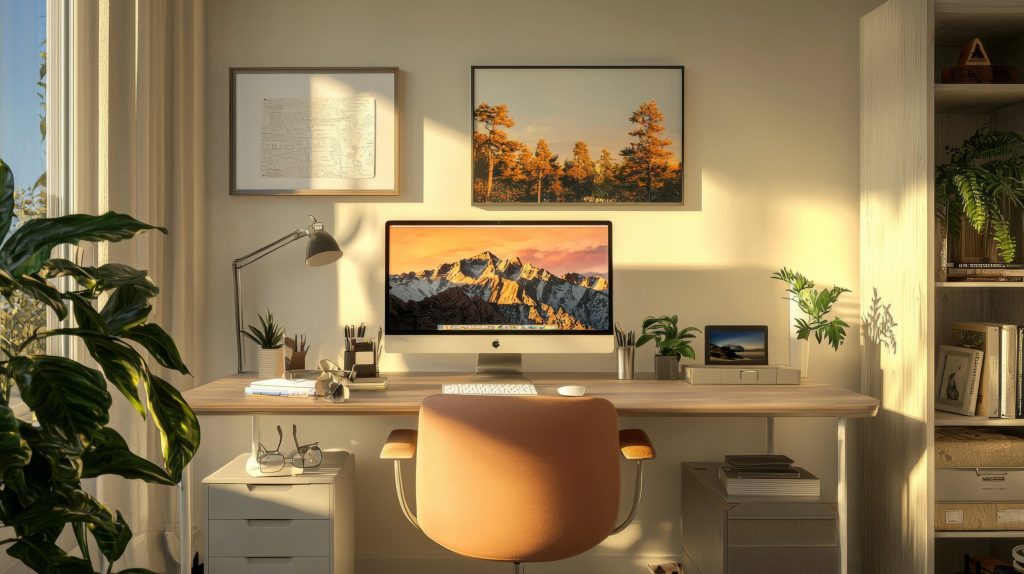
Home office design has become increasingly important as more people embrace the work-from-home setup. A functional home office not only boosts productivity but also enhances creativity by providing a space that is both comfortable and inspiring. As the lines between home and work blur, the demand for a stylish home office that reflects personal taste while supporting professional needs has grown. By focusing on key elements like ergonomics, flexibility, and aesthetics, individuals can craft a workspace that meets their unique requirements. This article delves into essential tips for transforming any corner of your home into a productive and appealing work environment. With a focus on flexibility, you can ensure that your home office remains a dynamic and supportive environment. From ergonomic solutions to stylish accents, each aspect of your home office can contribute to a space that is as versatile as it is efficient. Whether you’re starting from scratch or looking to enhance your current setup, these insights will guide you in creating a home office that supports your goals. Understanding Your Needs A successful home office design begins with a clear understanding of your personal and professional needs. Tailoring your workspace to fit these requirements ensures that you can work efficiently and comfortably. Consider the tasks you perform daily and the tools you need to accomplish them. A work-from-home setup that enhances efficiency often includes a dedicated desk, ample lighting, and organized storage solutions. By focusing on these elements, you can create a workspace that supports your workflow and boosts productivity. Flexibility is another crucial aspect of a functional home office. “Flexibility in home design means clients can have it all. They can redecorate seasonally or adapt the space for different needs over time, especially important for functional spaces like home offices,” said Julie Ann Witt, owner and principal designer at Julian Design. This adaptability allows you to modify your workspace as your needs evolve, ensuring that it remains a valuable asset in your home. Incorporating elements that can easily be changed or updated, such as modular furniture or versatile decor, can enhance the flexibility of your office. When designing your home office, consider how it fits into the larger context of your home. A seamlessly integrated office can improve the overall flow of your living space. For example, using flexible office designs can help create a cohesive look that complements the rest of your home. By aligning your office with your personal style and the existing decor, you create a harmonious environment that supports both work and relaxation. Incorporating Ergonomics Ergonomics plays a vital role in designing a comfortable and healthy home office. By selecting furniture and accessories that support your body’s natural posture, you can prevent long-term health issues and improve your overall well-being. An ergonomic home office typically includes an adjustable chair, a desk at the appropriate height, and a monitor positioned at eye level. These elements help reduce strain on your body, allowing you to work more comfortably and efficiently. When choosing ergonomic furniture, consider your personal preferences and work habits. Look for adjustable features that allow you to customize your setup to fit your needs. For example, an ergonomic chair with adjustable armrests and lumbar support can provide the comfort and support necessary for long hours of work. Additionally, a sit-stand desk can offer the flexibility to change positions throughout the day, promoting better posture and circulation. Incorporating ergonomics into your home office design not only enhances comfort but also supports your long-term health. By investing in quality ergonomic furniture, you can prevent common issues like back pain and eye strain. Explore the ergonomic design services offered by Julian Inc for expert guidance on creating a workspace that prioritizes your well-being. With the right ergonomic solutions, you can create a home office that is both functional and supportive of your health. Unlocking Home Design Flexibility: Essential Insights Creating a home that adapts to your life and style is key. Below are six intriguing facts about designing flexible living spaces, based on insights from Julie Ann Witt and proven strategies: Seasonal Adaptability: Modern designs allow homeowners to redecorate their spaces with the seasons, making the most out of their environments. Find inspiration in our Living Room projects to see this in action. Functional Spaces: Home offices need to be versatile. They should accommodate both work and leisure, ensuring they remain useful over time. Explore versatile designs in our Office section. Change Over Time: Embrace designs that can evolve as your needs change. A flexible design allows you to transform spaces such as the Kitchen effortlessly. Holiday Ready: Homes today can blend festivities into their designs without major overhauls, thanks to flexible layouts and decor options. Discover ideas in our Dining Room collection. Practical Elegance: Combining style with utility is vital. Our Bathroom designs showcase how elegance meets practicality. Personalization: Tailoring your home to reflect personal tastes yet allowing for future changes is a mark of thoughtful design. Check out personalized ideas at Bedroom. Merging Style with Functionality Creating a home office that is both functional and stylish is an art that balances aesthetics with practicality. The key is to ensure that the space not only looks good but also supports your work activities effectively. Start by selecting a color palette that inspires you. Soft, neutral tones can create a calming environment, while vibrant hues may boost energy and creativity. Integrating textures through fabrics and materials adds depth and interest, making the space feel more inviting. Consider the decor elements that will enhance your workspace’s visual appeal. Artwork, plants, and personal mementos can infuse personality into the room, making it a place where you enjoy spending time. It’s essential to choose pieces that resonate with you personally, as this can increase your motivation and comfort. Projects that seamlessly blend style and function often incorporate these elements, creating a harmonious balance that supports both work and relaxation. Functionality should never be sacrificed for style. Opt for furniture and decor that serve a dual purpose, such as a stylish desk that offers ample storage or a comfortable chair that complements the room’s design. By thoughtfully selecting
Blending Different Design Styles in Your Home
Designing a home is a deeply personal process, and when it involves blending different design styles, it becomes an opportunity to create something truly unique. Balancing distinct preferences might feel challenging, but it’s also a chance to craft a space that reflects the shared identity of everyone who lives there. Whether you’re drawn to the clean lines of contemporary design or the intricate charm of traditional styles, the goal is to bring these elements together in a way that feels natural and harmonious. “When couples have distinct styles, our job is to hear both sides and find a way to make it work for everybody,” says Julie Ann Witt, owner and principal designer of Julian Design. “The goal is a harmonious space that reflects both styles without looking like a series of compromises.” By focusing on shared goals and creative solutions, you can design a home that celebrates individuality while fostering a cohesive and welcoming atmosphere. Accommodating Different Styles Every household has its own mix of design preferences, and the key to blending them lies in thoughtful communication and intentional design choices. “It’s about finding the right balance,” says Witt. “We listen to both sides and find ways to incorporate each person’s preferences into the design.” This approach ensures that the final result feels unified and satisfying for everyone involved. A great place to start is by identifying overlapping themes or elements that can serve as a bridge between styles. For example, if one person loves minimalist modern design and another prefers rustic warmth, consider using sleek furniture paired with natural materials like reclaimed wood or stone. This combination creates contrast while maintaining balance and harmony. To see how contrasting elements can come together beautifully, explore our Bluebell Trail Gallery, where modern and rustic styles blend seamlessly. Another effective way to unify different design styles is through a cohesive color palette. Neutral tones like soft grays, whites, or beiges can provide a calming backdrop, while accents of bold colors or textures allow each person’s style to shine. “A shared color scheme creates flow throughout the home, making everything feel connected,” says Witt. For inspiration, check out our bathrooms images, where diverse design elements are tied together with complementary colors. Ultimately, blending different design styles is about creating a space that reflects the unique personalities of everyone who lives there. It’s not just about compromise—it’s about collaboration, creativity, and crafting a home that tells a shared story. With open communication and a bit of imagination, you can transform your space into a true reflection of your collective style. Finding Common Ground When individual styles clash, finding commonalities becomes essential. The process begins with open dialogue, where both partners can express their ideas and preferences. This collaborative approach not only fosters understanding but also helps identify shared interests that can serve as a foundation for the design. Julie Ann Witt says, “We listen to both sides and find ways to incorporate each person’s preferences into the design.” This ensures the final outcome feels unified and complete. An effective way to find common ground is to create a mood board. This visual representation of ideas allows both partners to contribute images, colors, and textures that resonate with them. By reviewing the board together, you can pinpoint overlapping themes and preferences, paving the way for a cohesive design. This collaborative effort often leads to unexpected discoveries, revealing how different styles can complement each other beautifully. For example, the elegant simplicity found in the Fieldstone Place illustrates how diverse elements can come together to create a stunning, unified space. Ultimately, the goal is to create a space that reflects both styles seamlessly. This can be achieved by integrating key pieces from each design preference, ensuring that every element feels intentional. By focusing on shared preferences, you can cultivate an environment that not only looks good but also feels right for everyone involved. Embracing this process allows each individual’s personality to shine through while maintaining a harmonious atmosphere throughout the home. Key Facts About Merging Different Design Styles Successfully blending design styles requires thoughtful techniques and a collaborative mindset. Here are essential facts to help you create harmony in your home: Start with Communication: Open dialogue is the first step in understanding each person’s design preferences and finding common ground. Create a Mood Board: Visualizing ideas through shared mood boards helps identify overlapping themes and ensures alignment in design choices. Balance Styles with Intent: Combine contrasting elements like modern furniture and traditional accents to create a visually cohesive space. Unify with Color: A shared color palette can tie diverse styles together, creating flow and harmony throughout your home. Focus on Key Pieces: Select a few standout elements from each style to act as focal points, ensuring a balanced and intentional design. Balancing Act The secret to blending different design styles lies in finding a balance that honors everyone’s preferences while creating a cohesive look. “Striking the right balance means creating a space where both styles feel intentional, not compromised,” says Witt. This approach transforms what could feel like clashing elements into a harmonious and inviting home. Start by combining elements thoughtfully. For example, pair modern, clean-lined furniture with a traditional rug or vintage artwork. This juxtaposition adds character while ensuring the space feels cohesive. Texture and material choices, such as pairing warm wood with sleek metal, can further bridge design gaps and create visual interest. Color plays an equally crucial role. A neutral base with accents in bold hues from both styles can unify the space without overwhelming it. This way, individual tastes shine while contributing to the overall harmony of the design. Blending styles isn’t about compromising—it’s about collaboration. With attention to detail and a willingness to embrace diverse preferences, you can design a home that celebrates individuality while creating a unified, welcoming space. The result is a home that feels as unique as the people living in it. Achieving a Perfect Balancing Act in Interior Design Styles Achieving design harmony in a home where different styles coexist is a rewarding challenge that
Maximizing Natural Light for a Brighter, Happier Space
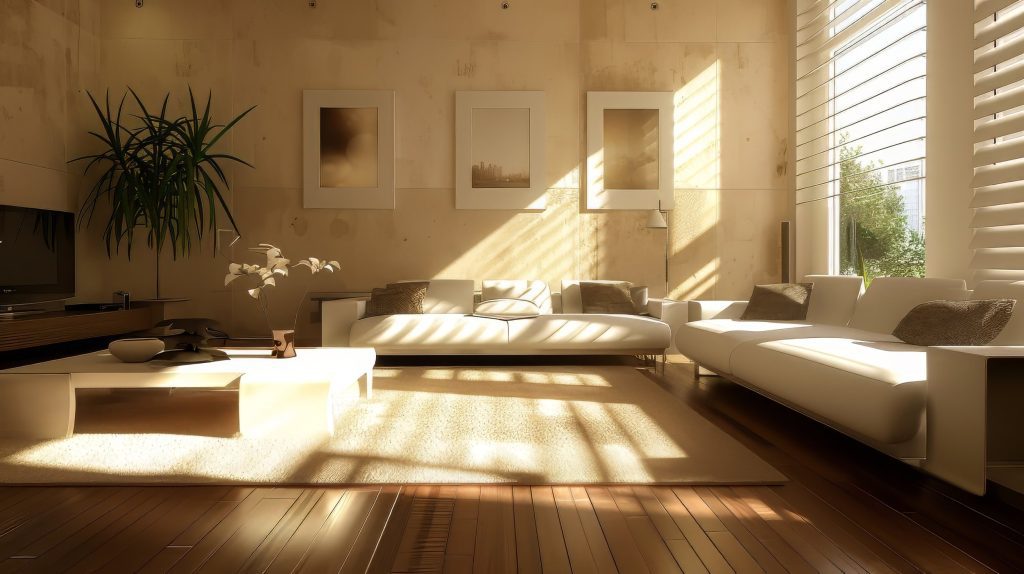
Natural light has the power to make your home feel more open, warm, and inviting. It’s not just about aesthetics—it’s about creating a comfortable and uplifting environment. Maximizing natural light can enhance your living space and even improve your overall mood. Maximizing natural light can be as simple as choosing the right paint colors or rearranging your furniture to allow light to flow more freely. Small changes like adding mirrors or updating window treatments can make a big difference. At Julian Design, we’re here to help you explore practical, effective ways to brighten your home and make the most of its natural light. Paint Colors: A First Step in Brightening Your Home Choosing the right shades can dramatically influence how light is reflected around a room, making it feel more spacious and airy. Whites, pastels, and other light hues are particularly effective in reflecting light, creating a bright home design that feels open and inviting. By selecting colors that complement natural light, you can enhance the overall brightness of your interiors. Incorporating light-reflective colors is one of the simplest and most effective strategies for enhancing home lighting. These colors not only brighten your space but also provide a neutral backdrop that allows other design elements to shine. Julie Ann Witt, owner and principal designer at Julian Design, says, “Lighting and paint are often the first areas we refresh in homes 15-20 years old since they quickly show their age.” This insight underscores the importance of updating both paint and lighting to maintain a fresh, modern look. When selecting paint colors, consider how they will interact with the existing lighting in your home. For example, a well-lit living room can benefit from soft, warm tones that add coziness, while a dining room might shine with cooler shades that enhance the natural light. Explore our living room images and dining room designs to see how color choices can transform a space. By thoughtfully choosing paint colors, you can create a cohesive and bright home design that maximizes natural light. The Role of Windows: Maximizing Natural Light Entry Windows are the primary source of natural light in interiors, and their size and placement can significantly influence how much light enters your home. To maximize natural light, consider enlarging existing windows or strategically placing new ones to capture more sunlight. Thoughtfully designed window layouts can dramatically enhance the brightness of your space, creating a more open and welcoming environment. Window treatments play a crucial role in managing how light enters a room. Opt for sheer curtains or light-filtering blinds that allow sunlight to diffuse gently into your space, enhancing home lighting without blocking the view. This approach not only maximizes natural light but also maintains privacy and comfort. Mirrors and glass elements can further amplify the effect by reflecting light throughout the room, creating an illusion of depth and space. Strategically placing mirrors opposite windows can double the natural light in a room, making it feel larger and more vibrant. Similarly, incorporating glass elements like doors or partitions can allow light to flow freely between spaces. Visit our bedroom and galleries to see how window placement and reflective surfaces can transform your interiors. By focusing on these elements, you can create a bright home design that fully embraces the beauty of natural light. Brighten Up: Maximizing Natural Light in Your Home Natural light transforms spaces. It brightens our homes and lifts our spirits. By maximizing natural light, we create open, welcoming spaces. The right lighting design enhances our rooms and affects our mood. Here are six key facts to help you brighten your home. Important Facts: Paint Colors Matter: Light colors like whites and pastels reflect more light, making rooms feel larger and brighter. Consider refreshing your paint to enhance home lighting. Windows are Key: Larger windows or strategic placement can flood interiors with natural light. Choose window treatments that let light in instead of blocking it. Mirrors Amplify Light: Placing mirrors opposite windows can double the light coming in. Reflective surfaces play a crucial role in brightening dark corners. LED Lighting Is Your Friend: Modern LED lights offer warm tones that imitate natural daylight while saving energy. They are a smart addition to any lighting design. Skylights and Light Tunnels: These additions bring sunlight into spaces that windows can’t reach, like hallways and bathrooms. They are effective in maximizing natural light. Dynamic Lighting Techniques: Use techniques like wall washes or art-focused lights to create mood and ambiance, making rooms feel alive and welcoming. LED Lighting Innovations: Modernizing Your Space Incorporating LED lighting into your home is an excellent way to embrace bright home design while also focusing on sustainability. LED lights are known for their energy efficiency and long lifespan, making them a smart choice for homeowners looking to modernize their space. With advancements in LED technology, you can now enjoy warm lights that mimic natural light, enhancing the overall ambiance of your interiors. “LED advancements, like warm lights and energy efficiency, make updating lighting an easy and sustainable solution,” says Julie. By integrating LED lighting in key areas such as the kitchen and bathroom, you can create a cohesive look that complements the natural light in interiors. Additionally, LED lighting offers versatility in design, allowing you to highlight architectural features or create focal points within a room. This flexibility ensures that your lighting design not only enhances home lighting but also contributes to a stylish and modern aesthetic. Dynamic Lighting Techniques: Creating Mood and Ambiance Dynamic lighting techniques can transform your living space by creating different moods and enhancing the overall ambiance. Techniques such as wall washes and art lighting are perfect for highlighting specific areas or features in a room. These methods ensure that lighting isn’t static, but rather a dynamic element of your home’s design. “Lighting shouldn’t be static—use techniques like wall washes or highlight art pieces to create dynamic, functional effects for reading or ambiance,” says Julie. By implementing these techniques, you can tailor your lighting design to suit various activities, whether it’s reading in the living
Unveiling the Secret Power of Color Psychology in Interior Design
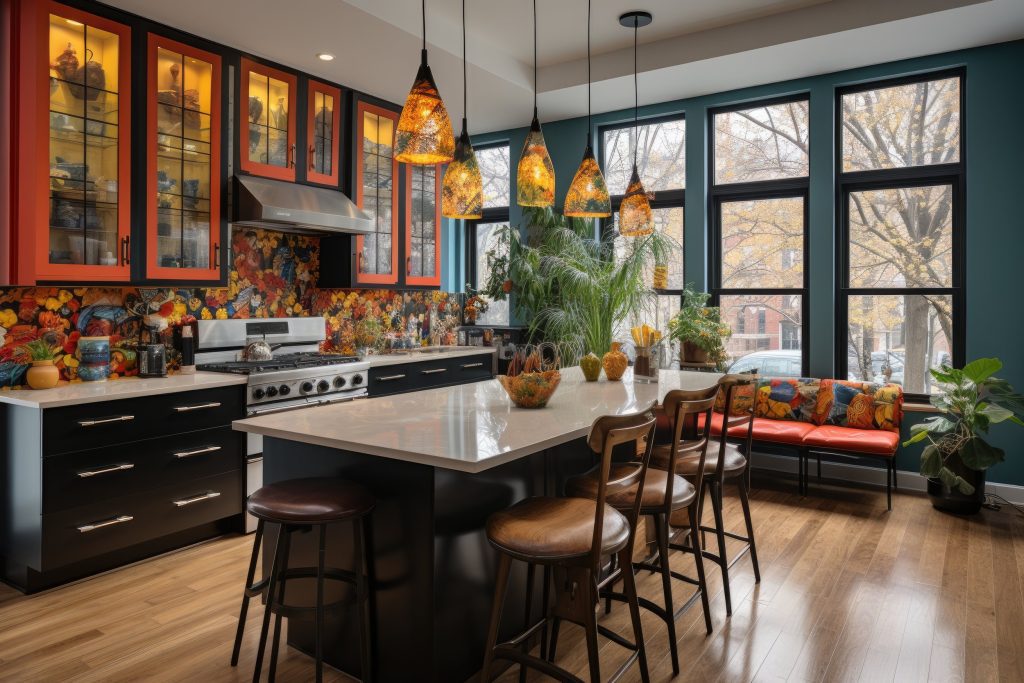
Ever walked into a room and felt instantly at ease—or maybe filled with energy? That’s the magic of color psychology in design. The colors in your home are more than just decor; they’re powerful tools that influence your mood, energy levels, and overall well-being. By choosing colors intentionally, you can create spaces that feel exactly the way you want them to. Whether you’re after a calming retreat or a lively atmosphere, the right colors can make all the difference. So, how does it work? Think about a cool, serene blue bedroom—perfect for unwinding after a long day. Or picture a bright, vibrant red kitchen where lively conversations and energy abound. This is color psychology in design at work, shaping the mood and functionality of each room. When you understand these principles, you can design spaces that not only look beautiful but also feel like the perfect fit for your lifestyle. Color psychology in design is about aligning your home’s vibe with your personal needs and aspirations. For instance, a touch of green can bring the freshness of nature indoors, adding calm and balance to any space. Or a soft, warm neutral palette in the living room can foster a sense of warmth and connection. With the right colors, you can turn any room into a reflection of who you are and how you want to feel. Ready to dive in? Join us as we explore the ins and outs of color psychology in design. By the end, you’ll be equipped with insights to make color choices that enrich both the look and feel of your home. Let’s make your space a true reflection of you—one color at a time. Understanding Color Psychology Color psychology is a fascinating study of how different hues can evoke specific emotional responses. For instance, blue is often associated with calmness and serenity, making it a popular choice for bedrooms and bathrooms. On the other hand, red is known for its ability to stimulate energy and passion, which can be perfect for dining rooms or spaces designed for social gatherings. The key is to understand how these colors influence the emotional feel of a room, ensuring that the chosen palette aligns with the atmosphere you wish to create. Julie Ann Witt, a seasoned designer, emphasizes the importance of this understanding: “When designing with color, it’s about understanding the mood and atmosphere the client wants to create. Different colors can influence the emotional feel of a room, so it’s important to get that right,” she says. Exploring the fundamentals of color psychology reveals that each color can have a unique impact on mood and design. For example, green, with its ties to nature, can bring a sense of balance and rejuvenation, while yellow, the color of sunshine, often evokes feelings of happiness and warmth. These associations can be leveraged to create spaces that not only look beautiful but also feel right. By considering the emotional responses elicited by different colors, you can make strategic choices that enhance your home’s overall ambiance. Incorporating color psychology into your design process involves more than just picking shades that you find appealing. It requires a thoughtful approach to how these colors will interact with the space and its intended use. As you plan your next project, consider how a thoughtfully chosen color palette can transform your living room into a welcoming retreat or an energetic hub, depending on your needs and preferences. Designing for Mood Enhancement Designing with color is an art that can significantly enhance the mood of any space. Whether you’re looking to create a peaceful bedroom, a lively living room, or a focused environment, the colors you choose will play a crucial role in setting the desired tone. By understanding the principles of color psychology, you can craft environments that not only meet functional needs but also support emotional well-being. Julie Ann Witt, owner and principal designer, says “Color psychology is a key consideration in interior design. The right colors can make a space feel warm and inviting or cool and calming, depending on the desired effect.” For instance, when designing a bedroom, opting for soft, muted tones can promote relaxation and restful sleep. Colors like lavender or pale blue are excellent choices for creating a serene atmosphere. In contrast, a living room might benefit from warmer hues such as terracotta or mustard, which can foster a sense of coziness and encourage social interaction. The key is to align the color scheme with the purpose of the room, ensuring that each space supports the activities and emotions you wish to cultivate. When considering the design of your home, think about how colors can influence productivity and focus. Shades of green or blue can create a calming environment that enhances concentration, while a touch of yellow might add a burst of creativity and energy. By strategically selecting colors that complement the function of each space, you can create an environment that supports both your professional and personal goals. For more inspiration on how to enhance your workspace, consider exploring how your office can benefit from the right color choices. The Colors of Your Home: Unveiling the Secret Power of Color Psychology in Interior Design Have you ever wondered why certain rooms make you feel relaxed while others energize you? The secret lies in color psychology in design. This powerful tool shapes our emotions and experiences at home. Knowing how colors affect mood can help you make the right decor choices. Important Facts About Color Psychology in Interior Design Colors Affect Emotions: Blue can make you feel calm, while red may boost your energy. Design for Every Mood: Use color schemes to enhance the mood in different rooms. Bedrooms may benefit from calming hues while living rooms thrive with vibrant shades. Seasonal Adaptability: Flexibility in design allows for seasonal changes. You can have a space that feels fresh all year round. Harmony in Shared Spaces: Balance different color preferences by listening to everyone involved. You can create a space that works for all. Lighting’s Role: Lighting can change
Mastering Cozy: Transform Your Living Room into an Inviting Haven
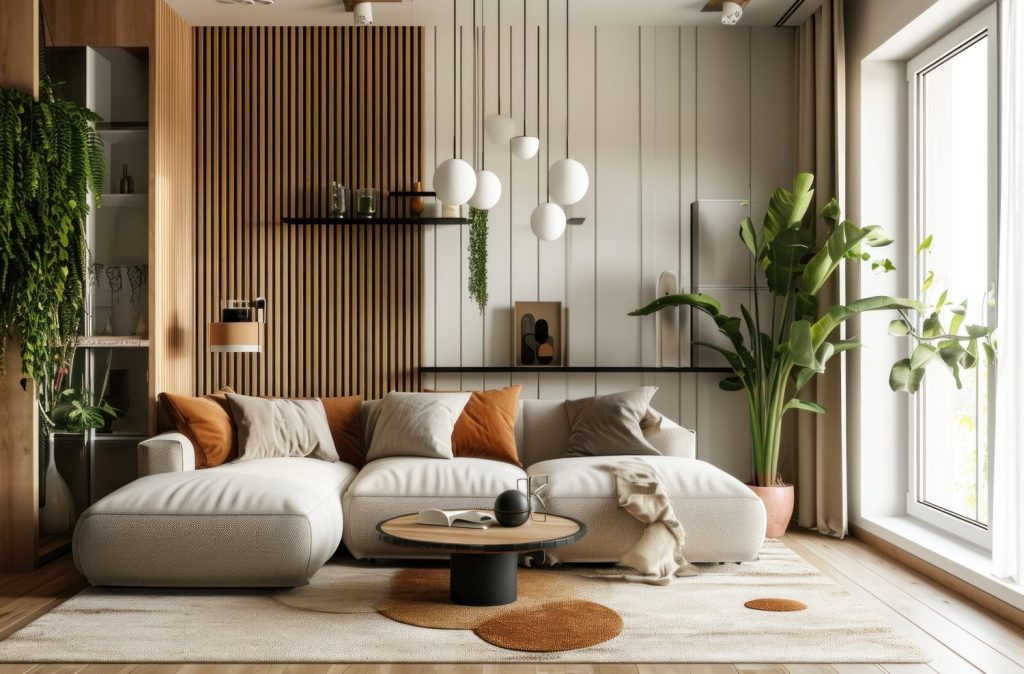
Creating a cozy living room design is a universal aspiration, a sanctuary that beckons you to unwind and entertain. It’s more than just aesthetics; it’s about crafting an atmosphere that feels like a warm embrace every time you step through the door. This transformation involves a blend of textures, lighting, and personal touches that collectively create a space where you can truly relax. By focusing on these elements, you can enhance your living room atmosphere, ensuring it becomes the heart of your home. When we talk about cozy living room design, we’re discussing a space that invites you to linger, to share stories with friends, or to simply curl up with a good book. It’s about making your living room a place where comfort and style coexist harmoniously. From the soft glow of ambient lighting to the tactile allure of textured fabrics, every detail contributes to a welcoming home space that feels uniquely yours. In this journey to transform your living room, consider the importance of layering, lighting, and texture. These elements not only enhance the visual appeal but also make the space feel more intimate and personal. By integrating these components, you create an inviting living room that speaks to your personality and provides a comforting retreat from the outside world. The Art of Layering Layering is an essential aspect of comfortable home decor, starting right from the floor. The choice of rugs and carpets can dramatically alter the warmth and texture of a room, making it more inviting. Julie Ann Witt, owner and principal designer, emphasizes the importance of layering: “Creating a cozy space involves layering. Start with the floor – is it wood, can we add a rug? Lighting is crucial; use ambient lighting rather than overhead lights to create warmth. Texture is also important – the feel of fabrics adds to the coziness.” Incorporating different materials like wood, metal, and fabric can create a balanced and inviting look. These elements add depth and character, making your living room a true reflection of your style. Consider the impact of different materials by exploring various images that showcase how these elements come together to form a cohesive design. Layering doesn’t stop at the physical elements; it extends to colors and patterns as well. Mixing and matching these can introduce a playful yet sophisticated vibe, ensuring your living room makeover feels fresh and dynamic. The right combination of layers will not only enhance the aesthetic appeal but also contribute significantly to the overall comfort and functionality of your space. Lighting Up the Room Lighting plays a pivotal role in creating an inviting living room. The transformative power of ambient lighting cannot be overstated, as it shifts the mood from harsh and clinical to soft and cozy. This shift is essential for achieving a space that feels both welcoming and tranquil. Consider the use of floor lamps, table lamps, and candles to create a warm, inviting glow. These lighting options allow for flexibility and creativity, enabling you to highlight specific areas or features within your living room. The gentle flicker of candlelight or the soft illumination from a strategically placed lamp can make a world of difference in how your space feels. Exploring different lighting options can help you find the perfect balance for your home. By understanding how lighting works in various settings, you can tailor your living room’s ambiance to suit your needs and preferences. Whether you’re hosting a gathering or enjoying a quiet evening alone, the right lighting can transform your space into a cozy haven. The Art of Layering: Tips for Adding Depth to Your Living Room Textures are the unsung heroes of welcoming home spaces, adding depth and comfort to any room. Plush throws, velvet cushions, and woolen rugs not only provide visual interest but also engage the senses, making your living room a tactile wonderland. Julie Ann Witt highlights the importance of texture: “When designing a cozy living room, we consider all the senses, not just the visual aspect. It’s about creating a space that feels comfortable and inviting, with textures, smells, and even tastes playing a part in the overall atmosphere.” By layering different textures, you create a sense of warmth and coziness that envelops you as soon as you enter the room. These elements invite you to touch, feel, and experience the space in a more intimate way. Exploring different textile inspirations can provide ideas for incorporating these textures into your own living room design. The interplay of textures can also influence the room’s color palette, enhancing the overall aesthetic. By choosing materials that complement each other, you ensure that your living room not only looks inviting but also feels like a true reflection of your personal style. This thoughtful approach to texture and comfort is key to achieving a space that is both stylish and serene. Important Facts About Transforming Your Living Room Creating a cozy living room is about more than just looks. It’s about making a space that feels like home. This can help both in relaxing after a long day and in entertaining friends. From textures to lighting, let’s explore how to master cozy living room design. For more ideas, visit Julian Inc. Living Room. Layering Starts with the Floor: Use rugs or carpets to add warmth and texture. Different materials like woods and metals can create a balanced atmosphere. Lighting Sets the Mood: Ditch overhead lights. Opt for ambient options like lamps or candles to create a cozy glow. Explore options for various settings at Julian Atrium. Textures Add Depth: Velvet cushions, woolen rugs, and plush throws can make a space feel inviting. Explore more textile inspirations at Julian Entre. Color Palettes Matter: Choose warm tones like earth colors or soft grays to evoke tranquility. See palette inspiration from existing projects at Fieldstone Place. Personal Touches Make It Yours: Use photos, art, or collectibles to tell your story. Explore unique personal touches at Our Story. Sensory Appeal Enhances Coziness: Use essential oils or soft music to complement the atmosphere. Discover more about multi-sensory design at Projects Overview. The